
Event Details
Date
Feb 3, 2026

Time
3:00 - 4:15 p.m. ET

While classroom-based accommodations are widely recognized and routinely implemented, clinical accommodations have only recently begun to receive meaningful attention. Emerging research documents the significant barriers students encounter in clinical education and the downstream consequences of inadequate access including compromised well-being, lower board performance, and delayed graduation. These findings underscore the urgent need to embed accessibility into all aspects of PA education, with particular attention to the clinical training environment. The purpose of clinical accommodations is to remove disability-related barriers to learning for PA students with disabilities while upholding program requirements, professionalism standards, and patient safety, thereby ensuring equitable participation.
This webinar, held in partnership with the Association on Higher Education And Disability (AHEAD), will share resources and information about how schools may comply with ADA/Section 504 laws and regulations.
By the end of this webinar, participants will be able to:
- Understand the process for determining reasonable accommodations
- Discuss examples of clinical accommodations currently used in PA education
- Identify common disability-related barriers that students encounter during clinical rotations and explore evidence-based accommodation strategies to address them
- Apply effective communication practices for collaborating with clinical preceptors, site coordinators, and clinical partners to ensure smooth implementation of accommodations
Speaker Information
Matthew A. Sullivan, PhD; Grace C. Clifford, MAEd; and Sarah E. Triano, MS, NCC, LPC, are nationally recognized leaders in disability access, academic support, and inclusive practice within health science and medical education. Collectively, they bring decades of experience advancing accessibility across undergraduate, graduate, and professional health programs through institutional leadership, policy development, faculty training, and systems-level change. Their work spans academic and clinical environments, with a shared focus on ensuring equitable learning experiences for students with disabilities in rigorous, highly specialized educational settings.
Together, Dr. Sullivan, Ms. Clifford, and Ms. Triano hold key leadership roles within the Docs with Disabilities Initiative, where they contribute to national scholarship, resource development, and professional training for disability resource professionals working in health sciences and medicine. Their collaborative efforts include curriculum development and instruction for the Disability Resource Professional (DRP) Academy, development of nationally utilized guidance on clinical and board-exam accommodations, and frequent national presentations on universal design, technical standards, professional competencies, and inclusive clinical education. As a team, they bring complementary expertise that bridges compliance, pedagogy, and learner-centered practice to support sustainable, inclusive change in health professions program, with specific emphasis on clinical education.
Matthew A. Sullivan, PhD
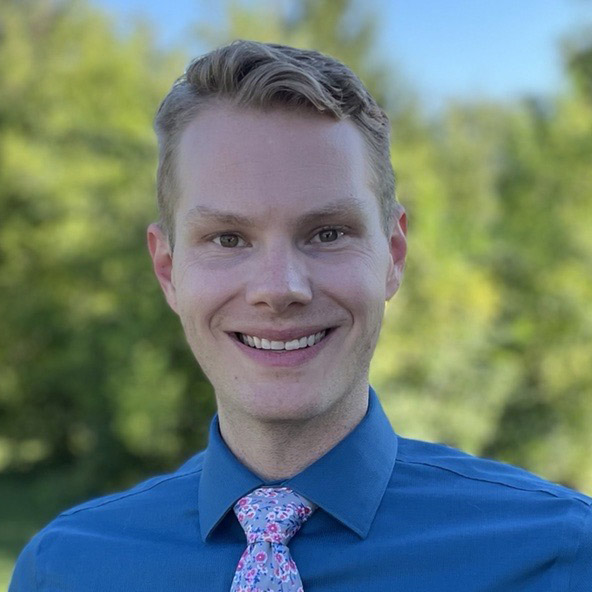
Matthew A. Sullivan, PhD, is a student-centered disability resources professional with over 14 years of experience in higher education, with a primary focus on health sciences and medical education. He currently serves as Assistant Director of Disability Resources at Washington University in St. Louis, where he is the primary liaison to the School of Medicine and collaborates closely with faculty, staff, and students to advance accessibility in complex clinical and academic environments.
At the national level, Dr. Sullivan is Co-Chair and Curriculum Developer for the Docs with Disabilities Initiative’s Disability Resource Professional (DRP) Academy, a specialized hybrid professional development program focused on disability inclusion in medical education. He has previously served as Chief of Staff for the Executive Committee of the Coalition for Disability Access in Health Science Education. Matt has also served the Association for Higher Education and Disability (AHEAD) as a member of the Professional Competencies working group, assisting in the creation of the organization’s guiding professional standards. His work spans disability compliance, faculty development, policy design, and leadership training, and he is a frequent national presenter on inclusive clinical education, faculty-student communication, and systems-level approaches to disability access in professional programs.
Grace C. Clifford, MAEd

Grace C. Clifford, MAEd, is a national leader in disability access within medical and health science education, with more than a decade of experience directing accessibility initiatives across large, complex institutions. She currently serves as Director of Disability Services at the David Geffen School of Medicine at UCLA, where she oversees accommodations for MD and MSTP students, leads support for USMLE/NBME board examination accommodations, and provides faculty and staff training related to ADA/Section 504 compliance and accessibility in clinical learning environments.
Beyond her institutional role, Ms. Clifford is deeply engaged in national leadership, scholarship, and professional development. She serves as Co-Chair, Curriculum Developer, and Lead Instructor for the Disability Resource Professional (DRP) Academy through the Docs With Disabilities Initiative, helping prepare disability resource professionals to support learners in health science and medical education programs. Her work includes influential publications with Springer and Elsevier, development of nationally used guidance such as the Medical School Terminology Guide for DRPs, and frequent national presentations on clinical accommodations, technical standards, and inclusive curricular design.
Sarah E. Triano, MS, NCC, LPC
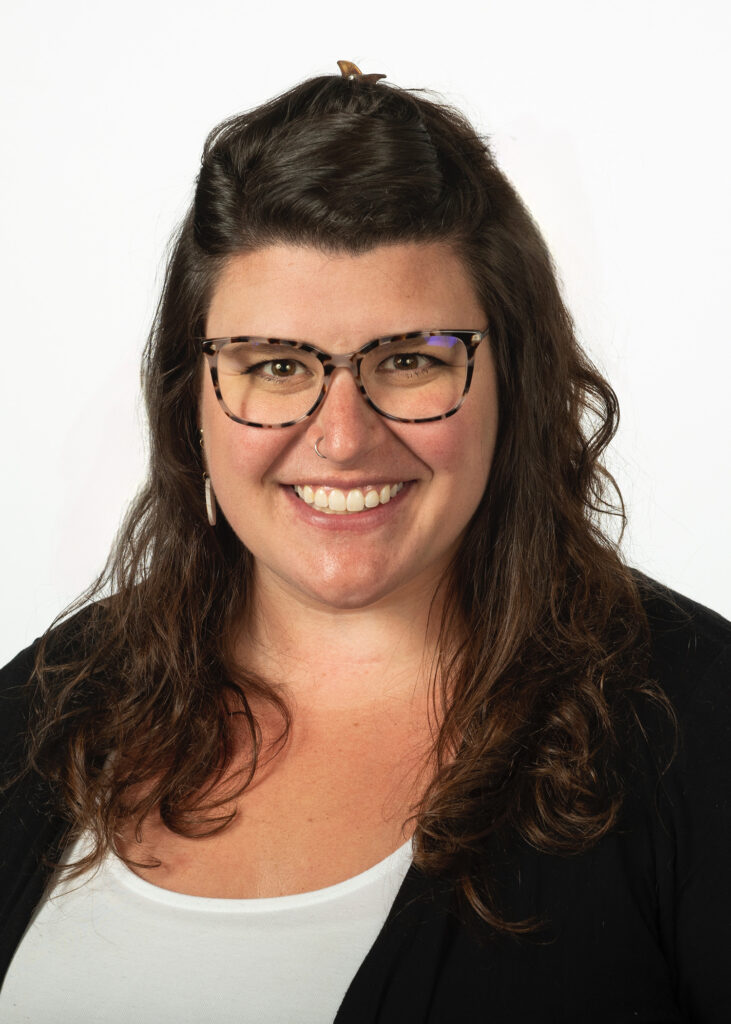
Sarah Triano is the Director of the Center for Learning Excellence at Geisinger College of Health Sciences, where she leads academic support and accessibility services across health science programs. Her efforts focus on shaping equitable learning environments and driving systemic change to ensure all learners thrive in health professions education.
Nationally, Sarah has shared her expertise in universal design, disability inclusion, and learner success strategies, through her work with the Doctors With Disabilities Initiative, serving as the Director of Special Projects, leading and providing substantial contributions the organizations scholarship and resources associated with Accommodations on Board/Licensing Exams, Clinical Accommodation Provision/Implementation, and Professional Competencies for specialized Disability Resource Professional working within health sciences/medical education.